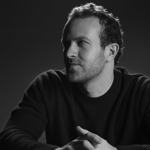



The Entrepreneur Who Built An Online Casino On A Sunny Oasis – with Curt Dalton
on Apr 14, 2010 - 1:24 PM PSTHe was a first time entrepreneur, but in 1996 Curt Dalton saw the opportunity in the online gaming business. So raised $200,000 from people he worked for when he was still in school, and along with 3 friends, he launched Oasis Casino and Sportsbook.
This is the story of how they built their business on the island of Curacao, which is off the coast of Venezuela. I think you’ll like Curt because he’s open with his numbers (the business made $10 million in profit at its height) and with his stories (be sure to hear how his business grew every time the media did a story about the dangers of online gambling).
Today, Curt runs The Internet Time Machine, a site that identifies search supply and demand inefficiencies.
Skip to: full video | audio download | about interviewee | full transcript | sponsors | answers
The FULL program
About Curt Dalton
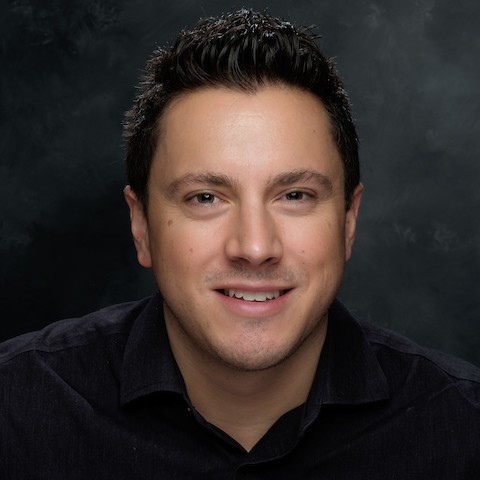
Curt Dalton is the founder of The Internet Time Machine, a site that identifies search supply and demand inefficiencies. He will soon launch a search engine called Now Relevant, whose results will based on the search data collected by The Internet Time Machine. Previously, he co-founded Oasis Casino and Sportsbook.
You can say hi to him on Twitter here.
*Raw* transcript
This is a raw, mechanical transcript. Readers (like you) are editing a better version here.
Intro: this interview is sponsored by grasshopper the virtual phone system that entrepreneurs love because you can use your own phones and manage it on the web, check out grasshopper.com. It’s also sponsored by wufu where you can go right now to get embeddable forms and surveys that you can add to your web sight for free, go to wufu.com. And, its sponsored by shopify, when you go to shopify.com you can create a store in minutes and have all the support and features you need to make that store grow. check out Shopify.com. Here’s the program.
Andrew Warner: Hey everyone it’s Andrew Warner, founder of mixergy.com home of the ambitious upstart. Today I have Kurt Dalton with me he is the founder of Oasis Casino and Sports book. When you founded the company Kurt, in 1996 sold it in 2002. Is that right?
Kurt Dalton: That is correct Andrew.
Andrew Warner: Now I wanted to find out about you because your one of the pioneers in online gaming, I wanted to find out what those days were like, how you built the company, in a space that many of us consider to be illegal and where you built it from because I know that you have an interesting story of how you did it off the coast of Venezuela, I want to find out what happened there. I also want to learn what happened after you sold the company. I think you told me before the interview started you could pretty much do anything you wanted to after that sale, I want to know what a man that can pretty much to anything actually does. We’ll find out about a company called zio we’ll find out what that means, we’ll explain and we’ll find out about the internettimemachine.com, that’s your current project. so…
Kurt Dalton: You got it.
Andrew Warner: so, first of all, welcome here to Mixergy and second lets just jump right into it. When did you have the idea to start an online gaming sight?
Kurt Dalton: That was actually a time in my life when I was graduating college, I went to the University of Chicago, and a lot of my friends were going to Wall Street. If your familiar with the University of Chicago, it’s pretty much a doctor factory, a lawyer factory, and I did have a few friends doing Peace Corps maybe traveling Europe, doing the trains. I said you know what I have a lot of time in life I don’t want to commit to Wall Street, so if I could design my perfect job what would it be? And I sat down and as you can see I’m not exactly very tan, but it would be somewhere in the warm weather, somewhere by some beaches, something that had to do with sports and computers. And to make a real long story short, I ended up flying to the island of Antigua and interviewing with a couple phone sports books. Because back it the early 90′s most of the off shore gaming was done by phone, where you actually call and 800 number and give an account number. And i ended up, even though I went to U of chichago for public policy I took a novel networking class after graduation and got hired as an assistant administrator for a small network of a phone sports book, that took bets on US sports action. Learned the ropes for a year and the company moved over to curisow which is off the coast of Venezuela. I worked with a company that was very much old school they believed in writing things down on paper, kind of thought the internet was a fad, it was going to go away, these computers weren’t going to make it. I respectfully disagreed, and got some capital together and got a few guys that were working with me and said ‘why don’t we buy some internet software and take this online’. And thats kind of the history of how I went from U-Chicago Wall Street path to the Cari- I thought the Caribbean gig was going to be you know, a year, just play some volley ball, just have some fun, think about life. And It turned out to be 7-8 years between antigua and currisow living there full time, running a casino, online sports book. I’ll just clarify there was no walk in casino. It looked like an office at at&t, It wasn’t- we didn’t have tables. But it was a great time of life to be in my 20′s to live on an Caribbean island. I had 3 or 4 high school friends come down and join me. And as you can imagine if- i don’t know-if there’s any guys sitting out there what that would be like just getting out of college. Well it just pretty much makes everybody.
Andrew Warner: You SOB I can’t believe it, that sounds great. How’d you end up working for them and not maybe a local resort or maybe a local newspaper or even a web sight remotely. why them specifically?
Kurt Dalton: Well, they had- when I decided these are the things I wanted, if i was ever going to have a time in life without kids, without mortgage to go for it. i wanted to be in a warm weather climate, I wanted something to do with sports, and something to do with computers, because those are the kind of things I liked and the online you know sports betting kind of followed all those things, they were all located off shore in warm climates, they had computer networks, they kind of had systems where you dealt with sports and gambling, I was not a huge gambler I never was. I realized pretty early the money was in taking the bet not making the bet.
Andrew Warner: but these guys were mostly over the phone as you say they were
Kurt Dalton: -at the time, right
Andrew Warner: based, it was like working at a telemarketing company is what it sounds like
Kurt Dalton: Exactly, and at that point there was so little competition, and we like to call it the grey area of legality that you could charge a membership fee for the privilege of betting with us. you worked on our hours we opened at 5p.m. eastern every day and closed at the last game of the night. Where as now the internet with the competition,you have to be open 24 hours. Your casino games, with horses…
Interviewee: you have casino games with horse so the whole industry went from umm only a few players providing service to we could decide who we bet with and now its just openning the internet anything you want online
Andrew: how did you feel about working in the gray area
interviewee: honestly i always thought especially during the 90′s that you to base the law for those that are listening on called the wire act of 1952 said you couldnt transmit a bet or a legal transmition over a copper wire and the reason it is called a gray area is because the internet changed all of that noone used copper wires anymore so technically there wasnt a law prohibiting it unless you were using copper wire so it is one of those things were the law because it had so much gambling they ran the lottery it was really just that the us wanted a piece of the action they wanted to tax it because you couldnt look at us morally or ethically and say gambling was wrong because there were race tracks gambling and lotto and everything so really i by the time i was there and they changed the laws in the mid 2000 and they arrested a couple of englishmen guy were flying to the united states and made a big stank i really thought it was not illegal based on the laws that was written because we were licensed it was no t illegal in antaga and curusal those were soverign nations that was like going to poland to italy and saying you cant make wine even though you are licensing people over there so that why it is considered grey because the laws did not update with the internet or with technology.
Andrew: i see ok and you say that you got some capital together and you decided to build you own version of this that was all online julian in paris was asking in the chat room how much capital
Interviewee: at the time this was back in 97 98 for ab bunch of college kids about 200000 dollars was all it took to get the software the bandwidth the computers some of the principals did not take paychecks for about 6 months we did alot of the grass roots marketing the license in curaca at the time was about 100000 us but that was a one time payment not yearly again you are going back about 15 years here things were i like to call it the wild west we could actually run credit cards in a due processing like a wal mart or a sears there was no coding for gambling i mean basically if you had a credit card we got an approval 99 percent approval so
Andrew: where did you raise the money from
Interviewee: thats funny because when i was at uchicago i was did some internships with some certain wall street places because that was my career path and my bosses and I hit it off even tho I was an intern and we kept in touch so friends family are the first 2 every body goes to which I go a little bit but most of it came from a people that i knew by doing internships during college like i dont want to name the brokerage firms but you got um presidents and vice presidents in those areas
Andrew: ok why cant you name the brokerage firms
Interviewee: well i dont know i dont want to say where those guys worked or i dont think there is any need to they were just financial advisors who had done well and i was interning for them so that kind of where a bunch of the capital came from they loved the idea right away
Andrew: these are the people who i might give my money to to invest in stocks or these are the poepl who i might i see ok these are the brokers the brokers
Interviewee: yeap the successful brokers and stuff like that it wasnt through the actual brokerage houses i did get it was private investment the same guy might so invest in a restaurant or go buy a car dealership or he might cut a check to go invest in a casino
ANDREW: i see ok so the names of the firms that they happend to work with doesnt matter so because it was their own personal money that they are using so lets see what else we have go here also julian in paris is asking how profitable did you guys get and how soon well actually how soon did you reach profitablility then we will ask how profitable later
iNTERVIEWEE: sure believe it or not there is kind of a myth out there that you start an online casino and a million doll you turn on your server and a million dollar truck shows up and just starts unloading money it took us 3 years 36 months which is to get all money back for the investors so
and then it just turned super profitable because the growth us see the growth
aNDREW: sorry lets hang on for a second while we let the video catch up you were saying the growth was phemnominal and then you were explaining why and that were we lost you
Interviewee: We had a moat.
Because of that grey area a lot of companies and people did not want to get involved with it so there was a little bit of you couldn’t just start this in the states and just copy us so the growth really took off with the development of the casino games so i am differencianing between only sports betting which is what we started with which is a pretty narrow niche in gambling its still profitable and we expanded to a full casino blackjack backarch craps and then we introduced horse betting as well so we really took off with the casino because based on volume i think it 96 percent is casino games and 4 percent is sports betting
Andrew: ok so your launching this you said that you had co founders who are the co founders
Interviewee: a friend of mine from atlanta that was an accountant with me there was only 4 of us a couple of high schools friend we had a small office maybe 10 by 10 and just literally like 4 computers and a couple of servers and
Curt: …four computers, a couple of servers, and went for it just as a bunch of young guys living on an island.
Interviewer: So you housed the computers in your office then?
Curt: Yes. Yup. All the servers, all the bandwidth, all the pipe came in. So the main office and we had like a small computer staff that had serviced other casinos on the island that serviced us or kept us up and running. And just built it from really grass roots back in the day. I don’t know if you could do that now, today with the competition and with all the…
Interviewer: Maybe not in the casino industry but I’m seeing it in other businesses.
Curt: Exactly.
Interviewer: How’d you decide on the three partners that you have in the business?
Curt: Trust is the first thing. I worked with all of them. I knew two of them from high school and they were good friends and the other person I had worked with for over a year at the casino and he was an accountant which I am not. So it’s nice to not only business wise to get someone and help you but also someone you can trust. Because when people are signing on bank accounts, it has to have some sort of trust and know that they’re going to do the right thing and you’re going to do the right thing too.
Interviewer: What was the relationship break down? Like who did what?
Curt: I was basically in charge of marketing which kind of leads to my project I’m involved with: getting affiliates, getting people to the site. My partner was the accountant, handled all the in and out transactions and settling up credit cards and Western Union at the time. And then, my other two friends were in charge of setting the lines.
For those who don’t know, in sports betting, there’s a point spread on a game. If there’s a good team and a bad team, everyone would always bet on the good team and that’s who would win so they created a line that the good team has to win by. Those alternate every few minutes sometimes around the world depending on how people are betting so you need one or two people to constantly be watching a screen that has world-wide casinos listed saying, OK, there’s a lot of money coming in on one game so they’re called lines men because they watch the lines.
Interviewer: And it’s all done manually?
Curt: It was back then and now they have programs that you could just sync it to a casino or a certain book that you like. Say someone has similar clients like you do and they run what’s called a tight line or a square line, there are different languages, and you could just sync it to them. And say when they change, we change.
Interviewer: OK…
Curt: It’s called a clone book and a lot of betters don’t like it because they know if so and so changes a line, then all the way down across the internet, these 17, 18 places are going to change immediately too.
Interviewer: You said earlier that you use a lot of grass root marketing.
Curt: Yes.
Interviewer: What kind of marketing did you use in the beginning? What was the first that you used?
Curt: The very beginning was just a more banner exchange. Honestly with online handicappers. And for those that don’t know a handicapper, it’s someone who gives out a pick. They say, hey I know whose going to win tonight’s game. I’ve done my research, pay me X amount and I’ll tell you. And that was our clientele that would be interested in us.
As well to the handicapper, we were going to have people that were probably looking for advice on betting so we did set up an old school links page. And we exchanged links with people and banner exchanges and built out a big page and then just did basic 468 X 90 still frame banner ads back then on sites. And there were really no restrictions on advertisers either so some of the big places we could go back then, you can’t go now like USA Today or CNN. Now they would never touch you.
Interviewer: [Laughs] And back then you were able to buy ads on all those sites?
Curt: Exactly, because they were just like sure, we have no problem. And when the government basically changed the rules and said, anyone that promotes a casino or sports book is an agent. And that’s where the law comes in because if you’re an agent collecting money or having to do with the gambling, they then say that they can come after you. That’s when all the sites changed their policy like no gambling, no porn. All of a sudden, gambling became porn in the exact same word. You’re like, nope, don’t touch it…
Interviewer: All right. We have to go more into marketing because if I just let it stay at that, people are going to kill me. So what else did you do to market this new business?
Curt: Yup, there’s a couple good things. The first real big break came in when USA Today, they run an odds page, back in the day they would list all the odds, [audio slows]
Interviewer: I’m sorry, Curt. We just lost the connection again. It slowed and now it’s back. You’re saying about the USA Today page and then we lost you.
Curt: Yup. USA Today page was a great big opener for us because it was a major site. It was expensive at the time for us but we locked in like a six month rate to be the top banner on the point spread for football season. And there wasn’t really much competition for it. They just put a banner on top of their point spread and you just showed every single…There’s no rotation I should say.
Offline worked for us too. We teamed up with a group that sent out, what’s called schedules. Sometimes gamblers like to get books that have all the games listed for the month and they have little, like a baseball score card. You can write what book has what line. It’s called the schedule so you could look up next week whose playing and you want to make notes. We would advertise in those schedules because those went directly to gamblers who called 800 or 900 score phones. In the United States at least, there’s phones that you can call to get updates real quick. This is before like iPhones…
INTERVIEWEE: this before like iphones this is kind of like going back to the dinosaur years where people would call a number to check a score and they would and if they called the number was reversed to their billing address and we could send them a schedule so that was uhm did really well for us too and anyone that was calling a phone number looking for a up to a second score probably a little more interested in the game than someone who isnt betting on it
ANDREW: you know what i see this all the time here in my interviews some one is going to say andrew why are you getting me a guy from back in the old days telling me about what is not possible anymore i cant do this and the whole interview you and i are going to talk about things that people cant do anymore but you know what theres always when there is new technology someone who does what what wont be what wont be done what wont be possible years in the future the idea is to see how you jumped on an opportunity when it was presented to you and then for someone who is listening to us to go find opportunities that exist today that wont exist 5-10 years from now and just like I built my business in the email marketing space and today if you try to built an email business you are going to have a hard time yhou did in the casino business today if you try to get in the casino business you are going to have a hard time today there are possiblities maybe they are like you said with the iphone or the ipad maybe they are with some new technology that is going to come out the day that somebody listens to us the idea is to just learn from the way it was done when it was the opportunities were presented to you so you can jump on them too so what else did you do for marketing
INTERVIEWEE: we did a lot of off regular us mail at that time so that the same type of people that call and say you make a deal wwith a handicapping service and believe it or not these services are huge for they will have a list of 60 or 100000 people that call them on a weekend say for us football to bet and you would say hay if you are sending out a promotion then can we put a coupon in and they would be an affiliate for us and we would track it by say a certain coupon code and going back to like every body knows that now but back then when they called us and say yeah im looking for my free 50 you would be like yeah ok thats from so and so market it down and it just grew and grew and you know as the us and the world did more stories on it about how much grey area and what how little johnny sending his college education on the credit card and its all bologny that stuff i mean people just saw the real story i did not know you could gamble online half our people that started really would be like i say a story that you could gamble online is that true yeah even though the story was about how bad it is so
ANDREW: wow interesting interesting you tell a story about how bad it is and all people hear is its possible and they understand
INTERVIEWEE: right and absolutely and of course they pick someone out who is sueing somewhere in the world because their child or teenager got the credit card and ran up and everyone knows that you could just charge that back without the signature especially at the casino there was never anyone that had to pay 30000 but of course they hear the story and they are like little johnny went online and played blackjack all night the bells would go off hey wait i want to do that that sounds fun so i really did have a moral position or like people want to go to the movies and want to go out to diner thats great people want to go drive go karts if someone wants to take reasonable 50 dollars or 100 or whatever their budget is and go play blackjack for a couple of hours on line you go then more power to them i dont think thats a crime so to me that was our stance
ANDREW: you know i also have to say that the media is scared of everything the blow everything up into some kind of nightmare situation i am listening know to a frontline podcast frontline is from pbs it supposed to be a respectable show and it is the show is about how we are getting so addicted to digital to the internet that we are in danger now and it has got a psychologist on and its got people who are in danger come on now what am i supposed to believe when you come out with something like that i just assume that you guys are running scared of everything that you are trying to blow everything up and shock us tonya in the audience is saying that that proofs it no such thing as bad publicity dan blank in the audience is saying that he is addicted to mixer juice go tell that to the media please
INTERVIEWEE: the ironic part of that is that we are all sitting here with 5 browsers open watching a live video chat with a stream and saying ahh they are telling us that this is addictive can you believe them
ANDREW: and you know what no one is dying and we are all growing because we are doing this but let them all be afraid let them all panic about everything meanwhile by the way they are sending everyone into a panic they are the ones we should all be afraid of
ANDREW: ok what was the first there my there my little rant what was the first version of your site like what it look like
INTERVIEWEE: it was very we build our site with no flash and no animation back in the day because our theory was we i dont know if you guess all remember web tv talk about going back to the geezer years we built it so html and so plain because we wanted to get everyone that would bet 25 cents on a hand of black jack all night long and we did not want to make it flashy we took the opposite approach we wanted it compatible on every type of browser at the time which at this point web tv was revolutionary we were the only casino that could fork out web tv cause everything was html we were very non flashy no pun intended but just boom people just wanted to hit the button cards come up cards come up cards come up so the site
minute 20 to minute 25
Interviewee: …people just wanted to hit the button, cards come up, cards come up, cards come up. So the site looked absolutely like it should, if that was the case, with not much fancy stuff. But we got a lot of people that’s like, “They weren’t Flash compatible. I can’t play it on this browser back then.” They just wanted the little button that said “Deal,” they want the cards to come up, and they just deal, deal. That’s how we dick the low, we want the low hanging for a dollar or two. Our minimum bet for sports was a dollar, and I think our casino bet was 25 cents. So you get [xx] like 12 hours and lose $10.
Andrew: I used to have a computer at our old office that had Mosaic on it. I said, “Before we make any big changes, let’s see what it looks like on the old Mosaic. If it doesn’t work on old Mosaic, we might want to reconsider it.” If it does work there, it will work on any device like a Blackberry that doesn’t have color and pictures, like somebody’s computer that happens to be an old computer. Whatever works on the old systems will work on the new ones, too, and it’ll work just fine. It’s a nice restriction for us to have. Of course, with Mixergy now, everything is video and audio, we are a little bit further ahead here.
You said, three years in, you made enough money to pay back your investors. Did you actually give them their money back and then leave them with shares in the business? How did you work that out?
Interviewee: Yes.
Andrew: You did.
Interviewee: One hundred percent, yes, because I knew these people from when I was in college, and friends and family. Like I said, the last thing my fear was, “Oh, please, just let them get their money back so I can be able to talk to them for the rest of their life, but I didn’t blow it off.” So, literally, we gave them their money back, based on how the company was doing. We knew exactly what payment and what month would get everyone back to zero, so you could say they lost a dime, and they kept all their shares.
Andrew: So, you were making payments to them up until you erased the amount of money that they gave you.
Interviewee: We would do dividend payments, so it wasn’t like a loan payment. But when we did a dividend, we knew based on how much they gave us and what shares they had, “Okay, they put in $100,000 and they’ve gotten $62,000 back.” The next one was they got the total. We knew right when they would get $100,000 back and say, “That’s it.” We all went out and had a nice dinner and said, “At least, everyone’s got their every dime that was put into it has been given back.”
Andrew: But if you’re giving out dividends at a young company, that means you’re profitable, no?
Interviewee: Yes. So we achieved profitability, I consider it profitability whenever they got their money back and so that was my early version of profitable. But, I guess, the profitability by definition would have been earlier, like in year one or two. I mean, monthly profitability. I consider overall debt because like I said, it was people I knew and people I want to come home and be able to talk to again.
Andrew: Let’s go back to that question that I postponed earlier. At your height, how profitable were you?
Interviewee: We, in our height, probably did a volume of about $200 million a year, and that includes casino, sports, and horseracing. We would have years of profitability of probably $10 million, $12 million was our best year. I mean, you’ve got to remember volume is a little bit of a misleading indicator when you hear a big number like that. Someone could literally be playing $10 hands of blackjack for 12 hours straight on two browsers and you could end up with a huge volume number. But building it out, we always kept cost down, we worked everyday with no days off. We only worked half the day, whether it was nine to five or five to ten, which is the last game of the night. As I said, we didn’t have days off but we enjoyed our work, so we really didn’t need one. We’re on an island, so you’re a little bit bored. I did pick up scuba diving, and I’m a big fan of win or roll wherever you are in the world, [xx] work. Just pick up what they’re doing and have an experience like that. It’s a lot of work but it was very profitable, too.
Andrew: From 1996 to 2002, you pretty much didn’t take a day off.
Interviewee: Correct. Not on the island. I mean, we got our breaks when we left and came home for holidays and we switch who gets Christmas and who gets Thanksgiving and that kind of thing. But on the island, with a full day off, you go a little bit crazy because it’s a small island and you’ve lived there a couple of years, you’ve seen everything and done everything. So you almost didn’t want full days off. It’s nice to sleep in every other day, or whatever day it was, but you kind of want to get in there and use the Internet. I mean, we loved it, we were sports fan, it wasn’t work for us. At night, you just kind of monitor. We had local telephone operators because we did take bets by phone as well. So it was pretty enjoyable at certain times.
Andrew: How many people did you hire?
Interviewee: About 30 in our heyday.
Andrew: They were all in your office?
Interviewee: Yes. We kind of expanded as we grew, obviously, into more office space. And then, say, for an NFL football or a college football, Saturday we’d have 30 local people that spoke English answering the phone. We had a user interface, you could just type away at their computer to put a bet in.
Andrew: Your co-founders, did they all stay to the end?
Interviewee: Pretty much, yes. Different people left within the last year or two, kind of making their exit strategy. But once we sold into the transition, everybody was out, was out. At that point, we’d done well, and we’re ready to come home.
Interviewee: … kind of making their exit strategy, but once we sold and did the transition–I mean, everybody was out–was out. At that point, we had done well, and we were ready to come home. I was about 30 at the time, so kind of ready for a different stage of life. Everybody just kind of missed their families after eight, nine years, had our fun.
The conditions were ripe, because the US was tightening things up. EBay had bought PayPal, so PayPal immediately dropped all casinos, and that was kind of a big hit. Western Union was always not supposed to send to casinos and sports books, and they were getting tighter. It was a big game of cat and mouse that still goes on today with that industry.
It was just a good time to get out if you were an American. Now, if you’re not an American, and you don’t care about the US Government, then more power to you. You could have stayed in, and keep doing it.
Andrew: How much of the company did you own?
Interviewee: Share wise, I think it was about 30%, 35%, somewhere in there.
Andrew: What kind of distribution did you guys take out on the annual $10-$12 million?
Interviewee: We did like quarterly, was usually how we did it, not monthly, and then we would take out maybe 50% of it at a time, until … We always kept a big safety cushion, because we always planned for Armageddon or something happening where money was cutoff, if we had to come up with some computer solution to something.
So, especially in the beginning, we were pretty conservative, and then toward the end as we got the sales stuff involved, it turned into–there was a certain amount you were supposed to take out, because you were handing the company over with “X” amount.
Andrew: Wow! So, you had just taken this money. You were putting into a personal account to shield it, to take your share out.
Interviewee: Oh, yeah. I would send it back to the States to do like offshore taxes on it, or whatever it was, that I hired an accountant, paid. There was some really big tax checks. I’ll say that. I always joke, because there was a couple of Air Force planes, there was a couple of missiles during the Gulf War at the time, that should have our logo on it.
So, but I always kept that above the board. It is just not worth it, if anybody is out there, like whatever country you are in, just pay the tax. You know you’ll have a nice happy life, and not have to worry the rest of your life. So, whatever I made in dividend checks, it was all above board, and I didn’t hide that kind of stuff either.
Andrew: Here is something else that I noticed. When you start to make some real money, the accountants find you with all kinds of ways to shield your taxes, to invest in a way that will save you some taxes. What did they come up with for you?
Interviewee: Not much. I must have got mixed in straight lace, I’ll tell you that. [inaudible] There was no grants, later compensation, we’re going to pay it into this. So, we pretty much paid as, I think it is an offshore dividend tax. It was at the time, it might have been 25% or 30% of what you brought, and what you made, and we just declared it and paid it. It is one of those things where like Wall Street says, “The bulls and the bears will run, but the pigs will get slaughtered,” and no reason to be a pig at that point.
Andrew: So, then what did you invest your money in?
Interviewee: Stocks and bonds. I was in to that stuff, obviously from college. That is when I started developing the Internet Time Machine System, putting the money into the development of kind of this new search engine, and this new trend software.
I am really a big think tank guy. When I was able to retire at 30, I am not a big golfer, so I kind of stayed mentally active and transitioned to one of the first things you mentioned I did was siod.com, which is a cycling yoga DVD. I was really into indoor cycling, and into yoga.
Andrew: Let’s hold off on that. I want to spend a lot of time in really delving into what you did after the business, but let’s stay on Oasis for just a little bit longer. We’ve thrown around millions of dollars, and what I hear from my audience is when we talk about so many millions, that it just doesn’t feel like real numbers anymore. So, I would like to just stop and talk about that personally. What was it like when you personally had taken out a total of $1 million from the business?
Interviewee: Being at a young age like that, it was very exciting. I mean, I’ll have to admit. I am not going to lie to your audience. It was the fact that I ended up buying a Lexus, that was my big thing, which compared to a million isn’t a big, big thing. I don’t do drugs. I don’t really drink. I was able actually to help people around me, like my mom, my grandmother, and kind of helped them with some bills. They are not poor, but I was just kind of able to like we would throw some big parties for friends and family when we came home on breaks.
I guess as a kid, my dad always taught us about saving money. When you get a paycheck, even if you are cutting lawns or working as a dishwasher, you deposit it and then you take out money. You don’t cash it. So, I always had a weird kid-like dream of seeing the bank account with six digits, not seven, just six, to see it go from my $2,000 savings as an 11-year old to, “Wow! Some day there is going to be six digits there, not five.”
So, that was a big moment, and then when you get to seven, it is just kind of like you said it is at some point, everyone has their infinity line, where if it is over it, it doesn’t matter. I am not talking Bill Gates kind of money, just everybody has got a number …
minute 30 to minute 35
Interviewee: …I’m not talking Bill Gates kind of money, just everybody’s got a number, or if you went to someone and said, “Here’s a million dollars.” I don’t know what that means, it’s just I need enough for rent and food. It was exciting to be young and have that money and kind of I wish I could tell you a better story.
Andrew: Do you remember the day when you hit six figures?
Interviewee: No, because what happens is we would do the transfers at certain quarterly time, so it’d go to my bank if I wouldn’t be home for another two months. It would be there and, I guess, I could have called and check, but I’d catch up on my mail when I got home in two months and I’d say, “Oh, look at that.” I don’t know if they had online banking very well back then actually. It wasn’t one of those moments where like I’m [xx] and the Patriots says when they signed his contract and they transferred the $80 million, he called up, David, his brother listened on the phone like, “Listen to this.” I never had one of those moments, but I knew it was there and it was safe. I could come home and not have to worry.
Andrew: I remember calling Citibank over and over and hearing that mechanical voice read the numbers.
Interviewee: That’s what he did, that’s what he did. He had his whole family like, “Listen to this.” I didn’t do that, but good for you.
Andrew: I didn’t let anyone else listen in on that. I think I might even heard it under my desk, I was so paranoid or what.
Interviewee: You just record it and play it over and over at night.
Andrew: Right. That’s what I wake up to every morning, that’s my alarm clock now. Expenses, I wanted to ask you about. So you’re not living in a major metropolitan city, you’re not living in a city that has high real estate prices. What it’s like? What are the expenses like day-to-day?
Interviewee: Down in the casino where we lived down there?
Andrew: Yes, exactly, in the island off Venezuela.
Interviewee: There wasn’t much because the company picked up the rent. The four of us lived in a house, basically, and the company would pay the rent. I think they paid the utilities, too. There really wasn’t a ton to do on an island. There’s, basically, five or six bars, five or six restaurants. We would, basically, save our weekly paychecks for our trips home. Every three or four months, you could come back with some cash under $10,000 for customs reasons. But there wasn’t a ton unless you want to kind of soup up your room with a new stereo. Just being going out to the bar, you come in, and all of sudden, your group goes from four to 15 as soon as you walk in the door, and you’re buying rounds of drinks. But, it really wasn’t that expensive. It’s not a terribly expensive island even though it’s a Dutch island and it’s pretty developed as far as banking. But I said, trips to kind of diversion of Costco is about all we spent on, unless maybe a car, but usually the company would pay for half of that, too. So, low expenses as far as we live. Of course, you could change your lifestyle and do a lot of things, but we live comfortably – food, you know. So we didn’t really do too much.
Andrew: Tanya in the audience is saying, “It sounds like the island was a bit of a prison.” I don’t know. It seems to me like when you’re in environment like that, you get to really focus on your work. I’m here in Buenos Aires, I see people who come here to work, to save money, to build a company, and they get their focus here. I know I’m finding myself focusing here like I wouldn’t back in the US. So I don’t think, it doesn’t sound to me like a prison. But how did it feel to you?
Interviewee: Toward the end, I’m 100% got to agree with you, Tanya. We call it “The Rock,” based on the movie with Ed Harris, we’re like the Alcatraz because it’s just the same routine. There’s a reason I tell people, “You go to the Caribbean for a week.” If you’ve ever talked to someone who’s gone on a two-week Caribbean vacation, they usually tell you how bored they got, how much it rained, and they just want to get out of there. So you can imagine spending, I mean, I’m sure there’s a lot more to do in Buenos Aires as far as size. But, if you’re in an island the size of a town or maybe two towns put together with one big highway around it, it is like a prison. I started playing the guitar. You start to find you do a lot of reading. You just literally have free time that you can only see a movie so many times at a movie theater, so you end up, “Gee, I think I’ll learn a language,” or something like that. But toward the end, especially when we want to leave and we’re ready to go, “The Rock,” is what it was, it’s like an Alcatraz.
Andrew: That’s surprising to me. So why did you stay then? Why didn’t you move the company?
Interviewee: At that point, we were ready to sell the whole thing, because what the US was doing with Internet gaming. We couldn’t do it in the US because they didn’t give the licenses and consider it illegal. So moving it to the US, which is where we want to go, wasn’t an option. So, we really had to just move it to another island, which would have defeated the purpose of being on a rock in an island.
Andrew: Mike B(?) earlier asked, how did you get affiliates?
Interviewee: At the time, we hired an affiliate manager. We’re a little late to the game, getting an affiliate program up. It’s not nearly as complex and as tech-savvy as it is now. But, basically, once we actually built from scratch, an affiliate code, we hired a woman on the island that spoke very good English and understood what we needed to do and just kind of sit there on the Internet and started contacting people, kind of grassroots, so you can say. Starting with the game with handicappers, with sports betting type of sites, and then working out to people with a lot more traffic.
Interviewee: … starting again with handicappers, with sports betting type sites, and then working out to people with a lot more traffic. But starting target, starting with people that had smaller lists, but they would convert, and then as we knocked them out getting to more traffic, but maybe they won’t convert as well. But hiring someone and saying, “You are the Affiliate Manager. Here is an Internet connection.”
Andrew: So far all we have talked about are successes, successes, progress, progress. Let’s talk about a big setback. What was one of the biggest challenges?
Interviewee: Gee. There weren’t many. I guess getting our horse program online. We were a little late to the game, if you want to call that. Our horse betting software worked pretty well, and we should have done that–things I would have changed is I would have got the affiliate program up day one, as opposed to putting it off until the second year or third year.
Horse betting is a pretty profitable little niche, and people do it all over the world. It’s got a big take for the casino. I think we put that in like year four, because we finally got to it, and I would have made sure I maybe hired more people and got that in year one, just because you see how profitable it would have been.
Andrew: Did you guys outsource programming, Andy in the audience is asking?
Interviewee: Yes. We kind of teamed up with a company down there, a private company that does the software, and we kind of just–we didn’t merge the companies on paper, but we were merged in the sense they had four or five programmers, and we were their only client, so yes. Although now a lot of people just–what, there is only three or four big providers of software, and everybody kind of takes their software and changes the front end to something, and they use that.
Andrew: I don’t remember who in the audience asked earlier, G Kam in the audience asked, “What island was it that you guys were on?”
Interviewee: It is Curacao, but if you look at it on paper it says, “Curacao.” It is right off the coast of Valenzuela, and it is right next to Aruba and Bonaire. So, it is called the “ABC Islands.” If you look on the map it looks like Curacao, if you look at it on paper.
Andrew: I see. How did you find the buyer for the business?
Interviewee: We actually hired a company in the US, I forget their name now, to look for buyers. We had like two or three approach us, and they all fell through. The actual buyer that ended up buying us was from a friend at another casino in Costa Rica.
We said we were looking for a buyer, and she said, “Oh. We might buy you.” [laughs] She told her owners, and then they said, “Well, let’s go through the English company,” and literally the deal was done–the interest and the deal was done with a phone call from a friend to a friend, as opposed to a firm looking for a buyer.
Andrew: In that first conversation, where did it take place, on the phone, in person?
Interviewee: I think it was even an email. I might have said, “Oh, you know,” because that industry is kind of small. When someone who is a relatively semantic player says they are for sale, it gets out there with a consolidator, and when she heard, she kind of emailed me and said, “Hey! Is that true?” I am like, “Yeah. Well, let me check,” and literally they ended up buying us a year later, or whatever it was, from that email.
Andrew: Wow! How much for it?
Interviewee: I think it was $15 million at the time, because they were only going to take the European part of it, because the US was a little fearful, that they were a little fearful of the US at the time. So, but they got all the software and some office stuff, and there was some rights to stuff we were developing too.
Andrew: What happened to the US version, the US portion of the business?
Interviewee: That is a funny story, because I think that is the part that they sold to Bodog right away, like a week later, because Calvin Ayre who runs Bodog, had been very much in the US spotlight, and enjoyed it. Enjoyed kind of flaunting what he was doing. He took over the US end. Not through us. We had sold it completely to them, and then they ditched it to the side to Bodog, and I think Bodog took the URL and all the American clients, because the English people actually just wanted the European ones. It was a little too risky for them, as it turned out later down the road, to take on the US clients betting into England, over the Internet.
Andrew: The whole thing was bought for $15 million, and then they went and sold the rest. So, you owned about 1/3 of the business, so you got about $5 million for your share.
Interviewee: Yep.
Andrew: Wow! So, then you are now out. How did it feel the day the paperwork was all signed?
Interviewee: A big, big relief, because again, your listeners are all over the world, but for a US citizen with a US Government that is really looking at this, and making threats, and to be completely done and have paid all the taxes on it was a big relief. Now, if you are not a US citizen, you could be on there saying, “This guy is an idiot. Are you kidding?” He is like, “Who cares? He could have done this,” but for myself at the ripe old age of 30 ready to go home, it was just a relief, so you never have to worry about somebody coming to your door or serving a subpoena or something like that. So, it was a nice feeling.
Andrew: Are you sure that there wouldn’t be any legal issues for what you did in the past?
Interviewee: At that point, everything we heard, you couldn’t go retroactive, because the law wasn’t written that way. So, I think they have changed a lot to include wireless communication, but it wasn’t really hard with the law not there to say … If they didn’t put a speeding limit in it, you were going 100 last year, and now there is a limit. You can’t go back and say, “We know you did a 100.” So, it really wasn’t a concern.
[40:00]
Interviewee: …really wasn’t a concern. I guess anything could happen, but it wasn’t a concern– a legitimate concern for us.
Andrew: Okay, and all those stories we heard about casino owners who happen to end up in the U.S. for a short hop while they’re flying somewhere else and then they get caught and they get arrested– that didn’t happen until after you sold and after the laws changed.
Interviewee: Yes.
Andrew: I see.
Interviewee: Right. Yeah, it was actually after the laws changed. The U.S. government actually pulled a jet down in Dallas that had a British guy who has never been arrested. I think he was 60 years old, he was a CEO of a British betting place and– you know, this was during the Bush years– they yanked him off the plane and kept him in a Dallas jail for 3 days. I mean, they eventually released him, but just wanting to make a point that they were getting tougher on it and couldn’t have gotten out at a better time, you know? It’s just if you’re a U.S. citizen doing this now you do have serious concerns about coming back through an airport or passport and what could be out there.
Andrew: So then you fly back home, I’m assuming, to the U.S.
Interviewee: Yes.
Andrew: And it must feel good to be back home for good.
Interviewee: Yes.
Andrew: And what did you– before you decided on the next business, what was the first thing that you did?
Interviewee: I thought I was– I didn’t own anything, so this was another funny part of the story, because I had been away for 8 years. I had a car, the Lexus, which is at my mom’s garage, but really I had a pair of flip-flops, 15 t-shirts, I guess I had a winter jacket in case I came home for Christmas at my mom’s house, but I ended up saying, “I need a place to live.” You know, I’m thinking condo, house I don’t know I have to buy– I said, “You know what? I’ll stay with my mom for 6 months while I look around.” Well, that lasted about 4 days. (laughs) Because it’s been 8 years since I lived with my mom and I love her, but we were– I was like, okay, I’m coming from Curacao, you know, and– hey, let’s go have a rum & Coke, there’s my mom who was like, “Hey!” And so I ended up buying a home probably within a month of being home, and I still live there now. It actually worked out where I ended up getting married, having kids. I bought a bigger home, not anything huge, saying, “Well, you know what? If it doesn’t work out, I’ll just sell it.” I’ll live in part of it– you know, a couple bedrooms, and the people that moved back from Curacao just lived with me for a year or two. Like, just came because they had nowhere to go, too. We’re a bunch of vagabonds that didn’t own anything. So we all lived together like a frat house once again just for one more year up in the States.
Andrew: Were you going to start another business right away, or did you plan to take some time to yourself?
Interviewee: I want to take some time just to kind of enjoy the area and be back home, and then that’s when I got into the– just working out with indoor cycling and yoga and was really into doing that stuff which led me to– like, I want to do a fun project. Just something I’m really in to, just passionate about. At the time, it was the cycling-yoga DVD. Don’t want to jump the gun, but I did that project for about 3 years– 2 years, taught classes 8 days– couple, like 8 classes a week, did a DVD, did an infomercial, went to L.A. and all that stuff, so it was– there you go. There was one that wasn’t super profitable, but I had a lot of fun with and actually affected, probably in a better way, more people’s lives than the whole casino thing did.
Andrew: How did you discover yoga and cycling?
Interviewee: I was actually at the gym and I was tired of doing the Stairmaster and I don’t ride an outdoor bike, I’m not a cycling guy, and someone said, “Just come in here; you’re getting so monotonous over there,” and I tried a spin class, I guess it’s indoor cycling, and loved it, and tried a yoga class. I was the only man there, you know, for a man to go to yoga class– there’s 30 women, and I loved that, too. So I did a DVD that combined the breathing and the psychology of yoga with indoor cycling and I called it, “Cy-Yo”, for cycling-yoga and did that for a year or two. Like I said, I did an infomercial, did a lot of advertising, and one of the drawbacks of that business is, in order to do it at home, you need a spin bike, or an indoor bike, and those bikes cost $600, $700, $800, so that was kind of the downfall of that industry as far as financially. But the feedback from the DVD, I think I have testimonials on the site, those are all real, those aren’t even fake, like people were just having– I would bring pedaling against stress and working out anger in your day by bringing, like I said, yoga elements and breathing onto a cardio workout. So I’m still proud of that project, even though it certainly wasn’t as successful, financially, as far as, like a casino.
Andrew: How did you get into the infomercial business? You did it yourself?
Interviewee: Yeah, pretty much. Went out, got bids, got quotes, read up on it, picked a company, went to West Hollywood for a weekend, taped it, got it all edited up and bought some airtime up in New York, in the East Coast, did okay, but again the big thing was there’s a certain formula to infomercials that you get– it’s got to be “X”– one-third of the price point times 4, and the killer was that those indoor bikes, if the listeners know, the ones that have the steel or the big wheel on the front, those are the ones that you need, not the electronic ones, and those are super heavy. They’re 150 pounds, maybe, and like I said, they cost like $800, and that just probably isn’t reasonable for a lot of people to have in their house.
Andrew: I see. So you were selling the DVDs and you needed people to have one of these spin bikes in their homes, not enough of them had it.
Interviewee: Yeah. Right, if that was going to take off.
Andrew: I see.
Interviewee: Exactly.
Andrew: What did you say–
Interviewee: I taught the class about 8 different gyms…
[45:00]
Interviewee: I taught the class. About eight different gyms, so I teach a lot of classes, and giving a lot of workouts as far as, at all different [lost audio] …ventures that I enjoy. I’ll see. Maybe some day I’ll start teaching. I teach indoor cycling now, one day a week. But I don’t teach the cellular class right now.
Andrew: What did you say earlier? One third the price point times four was one of the rules for infomercials. What does that mean?
Interviewee: Yeah, it’s a crazy thing. If you actually do your research for infomercials, like there’s a very specific script that works, that every single infomercial follows. Like it repeats every seven and a half minutes. There’s a certain number of call to actions. And I’m not saying like they guess. I mean they know at what second you need to hit them up with the extra offer. You need to have a call to action. You then go back. I mean it’s literally, they realize, during a half-hour infomercial, that people only watch for 7.25 minutes on average. So you have to tell your whole story three times in the half-hour, or four. And so, but you can’t be obvious about it, and just edit and say start, start. And I mean all that stuff was so new to me. And that’s why like the, you know, like the potato cleaner that costs 30 cents in China, that may sell for $19.99, works so well. But when you’re trying to sell a thousand dollar bike, it’s not going to work so well. [Laughs] There’s a tip. [Laughs]
Andrew: But you weren’t trying to sell the bike, were you? You were just doing the DVDs.
Interviewee: You had that option. I could do the DVD, or you could buy the bike through us, too.
Andrew: Oh, wow.
Interviewee: I had a relationship with a drop-shipper in Colorado, because a lot of people don’t have indoor home bikes. So I would do both. The DVD, I think at the time, was $25. And the bikes, you had different packages, from 600 to 1,000 dollars. And they would just drop ship them, I think out of Texas or Colorado.
Andrew: Could you have sold one of those fake bikes? You know, the little pedals on a stand that people put under their desks, and can pedal in the office.
Interviewee: I don’t think so. No, I don’t think their resistance would quite crank up to simulate a hill, like you need to in one of those indoor spring classes.
Andrew: I see.
Interviewee: But I still have a lot of DVDs left, if anybody’s interested. I don’t think that even the empty cart button is working on the website right now. But again, it was something I was passionate about. I spent eight years in the business, and it got monotonous to me. And I really wasn’t… You know, I was done with it. And to do something refreshing, where, you know, have people hopefully having not only a good workout, but releasing stress. And you know, kind of getting a little more in touch with themselves, which is really what, I’m proud of that one. I’ll show the… I’ll definitely make my kids watch that when they’re old enough.
Andrew: [Laughs] So one third the price point times four means what?
Interviewee: It’s something like if your product costs, let’s say $2 to manufacture, you have to charge at least 8, plus shipping, plus, because they’ve already figured out how much it’s going to cost you to air. How much… I mean I’m just, don’t go by my numbers, you can look this stuff up. But it’s something where if it’s not four times what you pay, you’re guaranteed failure. One hundred percent. So, whatever you manufacture, whether it’s a four dollar thing or six, you got to [lost audio] to pay for your delivery, and they just have it down to a science. It is not at all guesswork. They know exactly what buttons to push, what psychological things to say, what call outs to have come up on the screen when you’re about to buy but you don’t want to. It’s fascinating, it was a really fascinating experience to learn that the stuff you’re seeing is not at all liked winged, it’s put together for a reason exactly. It’s seven and a half minutes, when you change the channel, they want you to see the whole production.
Andrew: Andrew SD in the audience is asking “how much did the infomercial cost?”
Interviewee: About $50,000, I would say, because there was, I went out to LA, we had a couple of bikes dropped shipped out there. I did hire [lost audio] …it was funny. There was an actress who took the job, it kind of played the role as the infomercial lady. And then there’s one voice, which is another funny story, that does [lost audio] …where he goes “and then now”. I think it’s like Ron Stone, it might not be his name but it’s something like that where he does all of them. So, you have to pay for him, and of course they edit it and they do post production. But it was about [audio distorted] 50 and I think I put another 15 into viewing, into putting it on air, as far as like, let’s do some tests in New York and Boston and Miami and stuff.
Andrew: So, all told, how much were you in on it?
Interviewee: I think total, maybe 200, between the development and kind of getting everything going. I had a clothing line called B Love. This is how ambitious I was. I developed a B Love. It’s a slogan. It’s a letter B, with a heart. And I had a clothing line developed. If anybody wants, a lot of T-shirts left. So it was that kind of thing, kind of new agey, feel good type of workout. So that was obviously because I did have so much to draw from. Maybe not the most efficient set up, as far as like, yeah, let’s come up with T-shirts. You know, let’s do some hoodies. Why not? You know, that kind of thing.
Andrew: All right. But you know, you built a successful business. It gives you the freedom to experiment like this, and to do things that you love, and to take shots that other people wouldn’t have the ability to take.
Interviewee: Right.
Andrew: And then after that, you mentioned this earlier, you started the InternetTimeMachine.com,
Interviewee: Yeah.
Andrew: which is live, and people can see right now. Right?
Interviewee: Yup, that’s actually a pretty cool project. Because like I said, I’ve always been fascinated by kind of think tank, how do you solve big problems. Oops, like Joe’s out on me there. And one of the things I noticed, as an affiliate type marketing person, was…
Interviewee: I think one of the things that I noticed as an affiliate type marketing person was within niches, and casino gambling is one and sports betting, I always was fascinated like how do you find out what the next big niche or trend is going to be? How did you know five years ago that I’ll sell you Berry Iguana root or whatever is big out there. The Bratz dolls. And so I would sit down and I ended up sitting down with a pretty interesting programmer, I call him the Doogie Howser of England. He is one of these programming guys that kind of, you know could have graduated from med school at twelve and you know that whole story. And I said well we should look into doing a system where we could find the next big product or big trend and this was going to be kept private. This was just for me because I was kind of bored and wanted to keep working with the internet and we developed we call it the internet time machine or ITM for short because we can see what people are going to buy in the future. And what we realized is again kind of going back to economics for your listeners out there or viewers, is that a niche is really just an inefficiency in a supply demand curve. So if you have, if you have done Economics 101, when demand is taking off and the graph is going up, if supply is not keeping up with it the actual formation on the graph is called a niche. A niche is developing where demand is going up and supply is remaining constant. And he said, “Great. Fantastic. You’re a genius Kurt. How do you build that?” And what we realized was there was a lot of information out there about search demand, Hot 100, Go Here For Trends, but no one had figured out a way to track supply. And to take, make a long long story short, supply is basically Google results. So you know when you type your name in Google you see it go from a hundred and then somebody writes about you Andrew and it goes to one-fifty because people pick it up. When you realize that a trend or a new product starting, if you already are searching for it than someone told you about it. So what we started to monitor was we want nouns, pronouns, and noun phrases in Google or another, putting all the search engines together that are going from a thousand results, to ten thousand, to a hundred thousand. Because let’s say there’s a new product. And we’ll call it, it’s the next cabbage patch, we always use the thing called the chocolate chip teddy bear. How would, if it’s coming out of South Korea, this is always our example, it’s going to be huge, and you want to create little costumes for this chocolate chip teddy bear that kids take to school and then on Friday they cook it and eat it. It’s just a phenomena. And you wanted to have a continuity site and you wanted to have whatever, how would you know about it? It would happen because,(sorry I have a mosquito here) it would happen because someone would go and say, “Oh, I went to South Korea. They have this crazy thing called a chocolate chip teddy bear. My daughter loved it”. So it would be on a forum, it would be on a blog, and you would see the phrase, chocolate chip teddy bear go from a hundred results, to two hundred, to three hundred. So we built a system that says we need to go out and monitor things that are going from small results to big. And then go back to check the trends to see if the search volume is going up. Well we went to Google. We said, we basically want to download your entire search results for every twenty four hours and create a big score card. So all we want to do is take the information, use some advanced algorithms to parse out nouns, pronouns, and noun phrases, and just make a note of where we saw it. We saw chocolate chip teddy bear on a PR8 site with fifteen hundred inbound links, let’s just make a note of it, April 11th, April 12th. And they said, “That’s great. That’s going to be about three hundred thousand in APE charges a month”. And they were like, “Okay that’s probably not going to be efficient right now.” So what we ended up doing and what we had to do, we had to build a Google. Over the last six to eight years basically it’s taken to build out this search engine that collects over forty-million feeds and what we do every twenty four hours is we parse out all the nouns, only in English right now, nouns, pronouns, noun phrases, create a big score card and we just record things that people are talking about. Then we send all that information to another algorithm, which goes and checks is there search demand there? And we kind of create some scoring, without getting into it there’s a scoring system that tells us how hot something is. And it’s a fascinating project because to me no one’s ever looked at the supply side. When someone says lets go, oh you know I phone apps are going to be huge, it’s almost like the casino industry. Just create an I ,phone app, you’re going to take millions. Well if you look at the supply, organic and ppc as well as in the apps store, it’s really cannibalism at this point. Apps are just cannibalizing other apps, and I think there’s over a hundred and forty-five thousand apps and you would get killed trying to compete in that. But one of the things we noticed with our software was that if you look at what the world is searching for with I phones it’s a car holder. So you’ll see the phrase, I phone company car holder or car holder for I phone, and what’s happening is people are using them and everyone thinks it’s because of blue tooth and I pods, you want your I pod right there. It really has to do with GPS because it comes with Google maps as well as the major GPS manufacturers are putting their software in the Apps store for I think like forty dollars to download. People need I phone holders for their cars. Now here’s a great example we give you if you follow the herd in the Apps store, just go create an app
Andrew: Like how you built the company in the face that many of us consider to be illegal and where do you get it from
Interviewee: Laugh.
Andrew: cause I know that you’ve
Curt Dalton: People need I phones holders for their cars, now hear is a great example if you follow the herd in the apps store just go create an app you ll be a millionaire, you are going to be crushed unless you app happens to you know beyond say has it on, she is on tv or while you develop a cup holder for the iphone and you can get him ala infrmatial in china and you are going to get billions if you are the first guy to kind of you know either prototype it and so we started seeing these trends where there is a you know, an inefficiency in these developments and we just released it to the public and it took us about an year to hold us an interface that would allow the public to use the information we have to do some sortingthere was just these ineffiencies developing and we just released it to the public and it took us about an year to build an interface that would ve allowed the public to use the information because these big spread sheets we kind of have to use some sorting well there is so many out there we cannot have all of them even with a huge staff why dont we information available affiliate marketers internet marketers some one can come in and say everything that in the last twenty four hours that people are talking about. well we have that well show me everything in the last week the people are talking about where this supply is nt going out so people are talking about something but the organic results and the ppcs are making the same
Andrew:what do people keep searching for heavily?,what people start to search more and more for? does nt have more search results in google,if there is nt not enough search results there is not enough products by these people?
Curt Dalton: similar ,we ll catch these things huge that will give you search trends things starting to go from a hundred to a thousand from million to two million. but what are people searching for where there is nt enough supply whether or not you look at the ppc, cause that is all public information,as well as the organic resutlts
and collecting engines, google obviously the biggest in whatever everybody uses so we get a bit of different world life to what people are talking about, i can t find enough of as we kind of model the chocolate teddy bear,what ever they are talking so, if you are going to be eight weeks ahead of the curve, you know when chocolate chip teddy hits america you got all the continuity
Andrew: so now you have this information for a while, before you started releasing it?
Curt Dalton:yes
Andrew: what ve you discovered discovered have how have you used it?
Curt Dalton: we were board early as i knew about that, we kind of missed the boat on that, local fruit smoothies between the supplies ,so we were nt actually using it to the most power, some of the things we worked on are, the post in video ,cell phone shield, for those who dont know of it , it is coming out of it. the cell phone gives a lot of radiation , the world is divided half of the people think they ll get brain tumors jaw cancer you would nt believe the other half says the radiation is nt close to causing damage
you know when and inspector and an u s senator got in everybody survives and says what is going on we saw search volume spike, cell phone search volume is bigger, no one really knows i guess when they have cell phones thirty years ahead what is going to happen, if apple is the chat phone with the most ,radiation, what if three percent of the population using apple i phone is brain killed.. you are going to be looking at the law suit against cell phone makers.but there is a gentle man in america we found that has an ftc approval for some phone shield , you just put it on your phone, that blocks the radiation coming out of the ear hole.. that worked out pretty well for him distributors .. there was no one out there. it is really bad for the kids if you are in that side of the fence. why don t you protect the kids. there is and other thing that we found in the i phone holder that if you get into cell phone holders shiny you get that at the market,but if you are getting into the cell phone radiation blocker shield .. it is going to take a three or four generation of phone, we should build one with the shield involved, i can market my phone as zero radiation i phone, also you can check out our website for a food called camela , so we don t get all these ideas, you just watch the next developed, when the algorithm changes..
Interviewee: ideas and we don’t guess on them, like we don’t just say, “I think this is going to,” we just watch, we just watch the niche develop and the algorithm change as more people are looking for kinoa yet all that’s out there is just a supplier, so we worked with a supplier there too in the U.S. and distributed as well.
We did it in a very non-internet based thing because I’m not an affiliate marketer at heart, like I wasn’t a, I’m not a CPA guy, I didn’t know much about this stuff, we just built a system because we wanted to know, we were thinking off line, like “Oh, what if we were the only guys selling kinoa in the whole area?” You know, that kind of thing so I can’t say we were geniuses either but we did build out a pretty cool system that you know, basically we monitor forty million sources worldwide in English every day and we parse it and download it and update our algorithms to find what people are talking about, but what opportunities are there, are there is.
Like right now, Asberger’s Disease, a form of children’s autism is going crazy on search engines and there’s really nothing out there for supply, some click name products, that kind of thing, and ear infections, I don’t know if it’s because of the weather we’ve had in the U.S. or what it is, but ear infection causes, ear infection this, huge search demand, five cent clicks in Google because we go back into Google API and look at what they’re paying PPC for the number one spot, so just matching up some sort of site or offer to that you’re going to get tons of first page Google traffic for cents on the dollar.
Now you know, do you want to build out a quick word press site or an offer or some sort of, that probably works better than direct linking but there’s just tons of those opportunities out there where you can just say, “Hey what’s the next big thing going to be and
Andrew: I see, so you see, one of our listeners might go to your site, let me make sure I get the name, the internettimemachine.com
Interviewee: Yes.
Andrew: they use it, they find out that Asberger’s is big
Interviewee: Yes
Andrew: they might decide to do some research, put together an e-book or some kind of online class about Asberger’s, “Does your kid have Asberger’s?” “What do you do if you have it?”
Interviewee: Yes.
Andrew: Then they start selling it, they discover that the key words are cheap enough that they can just jump on them, they start creating an affiliate program and boom they’ve got a business off of it. That’s your goal here for the, that’s one of the goals for the internet time machine.
Interviewee: Yes.
Andrew: You just want people to see what’s growing, what’s trending.
Interviewee: Right, we launched only about fifty days ago so we’re just about to come out of beta, we’ve got everything going, and we’ve already been approached by a lot of retail and big conglomerates because we have the information on what consumers are looking for as far as their brands, and how the search volume is going. So we’re actually going to do a corporate end to the site, probably a different URL that does like a retail report, a pharmaceutical report, a, you know a real estate type report, because you know, comparing it to a competitor that we found, our, a great example is there’s a site out there that sells reports to corporations for seven, eight hundred dollars, you know, here’s the trend, they had a recent, one of their free samples had women’s cargo pants as one of the number one retail words, recently. I don’t know if it’s spring time’s coming up, and they were selling that report, at least that was their sample report.
Well, because we parse up to five words, the actual phrase that they were pulling from, because we saw it too, we just haven’t gone that, we haven’t done the corporate site yet, is that it’s “Old Navy’s women’s cargo pants,” now that’s a huge difference to a retailer to know that difference. So whatever system they’re using to pull from and they only got the three words, that’s nice, but how much more valuable is it to know that it’s Old Navy, whatever they’re doing for marketing, whatever they’ve done is causing, I assume women to go online and search for it. So I think we have a pretty good competitive advantage because we parse so quickly, twenty four hours, and so much, where we could enter the corporate space and do, like I said a pharmaceutical report for pharmaceutical companies and stuff like that.
Andrew: Dan Blanken in the audience was asking earlier, “What about the rising search results in Herbemotte?” He’s asking is Herbemotte rising?
Interviewee: I’m not even sure what Herbemotte is.
Andrew: Herbemotte, I’m in Buenos Aires, it’s a local drink, everyone walks around with this thing, they drink it through a straw with a sieve, I love it, apparently Dan Blanken tried it, he tried it once, it didn’t do anything for his energy or awareness, I don’t understand how. Moses, I know you tried it, in the audience, I’d love to get your feedback on that, tell me if it gave you more energy and awareness because I know it does form. We’re going to make a whole trend in the U.S. from this.
Interviewee: I will tell Dan, the first thing you can look at, the best place to start is the Google trends and you’ll just, that just shows you volume. That’s a great thing to just look at volume, it shows you no supply. The second thing I would look at is the internet time machine side of supply because Herbomotte might be a huge new trend, I’m dead serious, if you get in the states and you know make ‘em, or maybe you can ship a powder, I’m not even sure if it’s a fruit juice, but is there, where is the supply at? Is this, like Mangostein juice is an article we have up where it’s starting to show some search kick, people are saying, “What is Mangostein?” But it looks like supply people have kind of found that one already so Google trends is where I would tell Dan to look first at what’s going on with just demand, I mean if it’s going straight down, it’s probably not going to be a winner, but if you see the line is going up and it’s interesting, then you would go and check supply. You know knock it out, kind of knock it out first with demand.
Andrew: Alright, let’s read just a couple of comments from the audience,
Andrew:This interview is sponsored by Grasshopper, the virtual phone system that enterpreneurs love because you can use your own phones and manage it on the web. Check out Grasshopper.com.Its also sponsored by Wofoo where you can go right now to get better performance surveys that you can add to your website for free.Go to Wofoo.com. And its sponsored by shopfy .When you go to shopfy.com you can create a store within minutes and have all the support and features that you need to make that store grow. Check out shopfy.com. Here’s the program.[xx] founder of the Myergy.com, home of the ambitious self star, today i have got Curt Daolton with me. He is the founder of the Oasis casino and Sportsbook. We found that the company occurred in 1996, sold it 2002. Is that right?
Interviewee: That is correct, Andrew.
Andrew: I wanted to find out about you because i know you are one of the pioneers in online gaming. I wanted to find out what those days were like? How you built the company and space that many of us consider to be illegal and where you built the [xx] because i know you got an interest in story about how you did it off the coast of [xx] as well. I want to find out what happened there?
Interviewee:Sure
Andrew:I also want to learn what happened after you sold the company? I think you told me before the interview started that you could pretty much do anything after that sale. I want to know what a man who could pretty much do anything actually does.Find out about a company called Sayo and what that means? We will explain. And we will find out about the internettimemachine.com, that’s your current project?
Interviewee:You got it
Andrew:So first of all, welcome here to Myxergy and second just jump right into it. When did you have the idea to start an online gaming site?
Interviewee:There was actually a time in my life when i was graduating from college. I went to university of Chicago and a lot of my friends were going to Wall street. If you are familiar with the university of Chicago, it was a pretty much a doctor factory, a lawyer factory. I did have a few friends who were doing Peace corp,maybe traveling Europe, doing the trains. I got a lot of time in my life but i really don’t want to commit to Wall street. So if i could design my perfect job, what would it be? And i sat down, and as you can see i am not exactly very tanned. But i would be somewhere in the warm weather, somewhere, by some beaches, and something that had to do with sports and computers. And to make a real long story short I ended up flying down to the island of Antigua and interviewing with a couple of phone sports books. As back in the 1990s most of the offshore gaming was done by phone. We actually called a 100 number and give an account number. And i ended up, even though [xx] Chicago for public policy. I took a novel networking class after graduation and got hired as an assistant administrator for a small network of a phone sports book, that took [xx] on Us Sports Action.Learned the ropes for a year.The company moved over to Coarsa, which is off the coast of Venezeula. I worked with a company that was very much old school. They believed in writing things down on paper. Kind of thought the internet was a fad, it was going to go away. These computers were not going to make it. I respectfully disagreed and got some capital together and got a few guys that work and said, “Why don’t we buy some internet software and take this online”. And that’s gonna be , how i moved from New Chicago Wall street path to carribean. I thought the carribean gang was going to be a year, just play some volley ball, just have some fun, think about life. And it turned out to be 7-8 years between Antiguan and Coarsa. I was living there full time, running a casino, online sports book. I just clarify, there was no walk in casino. We looked like an office at At & T , we didn’t have tables.But it was a great time in my life, to be in my twenties, to live on a carribean island and i had three or four high school friends come down and enjoyed with me. And as you can imagine, if a guy is sitting out there , what it would be like, without a call, just pretty much face everybody. You as so be, I cant believe it, that’s sounds great.
Andrew:How did you end up working for them and not maybe a local resour or maybe a local newspaper or even a website working remotely. Why then specifically?
Interviewee:When i decided that these were the things i wanted if i were gonna have a time in my life without kids, without mortage, to go for it. I want to be in a warm weather climate, i wanted to do something with sports and something to do with computers. Because those were the kind of things i liked. And the online sports betting, kind of followed all those things. They were all located off shore in warm climates. They had computer networks. They kind of had systems where you download sports and gambling. I was not a huge gambler and i never was. Realised very early that money is in taking the bet, not in making the bet.
Andrew:But these guys were mostly were over the phone, as you say they were.
Interviewee:At the time it was.
Andrew:It was like working in a tele marketing company, but it sounds like..
Interviewee:Exactly, at that point there was so little competition. We liked to call it the grey area of legality, that you could charge a membership fee for the privilege of betting with us.You worked at our hours. We opened at 5 p.m. eastern everyday and closed at the last game of the night.Whereas now the internet [xx] the competition. You have to be open 24 hours,casino games with horses. So the whole industry went from, only a few players providing service, we could decide who we bet with and so now its just with Europe and the internet opening everything up, you can do anything on online.
Andrew:How did you feel about working in a grey area?
Interviewee:Honestly, I always thought, especially during the nineties, they used to base the law for those into listening. Its called the wire act of like 1952 that said, you could not transmit a bet or illegal gamble over a copper ire. The reason is called the grey area because the internet changed all that. No one uses copper wires anymore. So technically there wasn’t a law prohibiting it unless you are using copper wire. So its one of those things where the ;aw, because the US had so much gambling that [xx] a lottery. The Us wanted a piece of the action, they wanted the taxes. Because you couldn’t look at us, morally and ethically and say gambling is wrong because it raised tracks, lots of tickets and everything. But the time i was there before they changed the laws in early mid 2000s and they kind of arrested couple of English guys who were flying over the United States and made a big stake. I really thought it was not illegal.based on the law as it was written, what we were doing was not illegal. Because we were licensed in Antigua and Coarsa, those were solid nations. That’s like going to Poland and Italy and say,you can’t make lime even though you are licensing people over there. So that’s why it is considered grey because the laws did not update with the internet,with technology.
Andrew:I see, okay, and you said that, you got some capital together and decided to build your own version of this, that was all online.Julie in Paris was asking in the chat room, how much capital?
Interviewee:At the time, this was back in 97-98 for a bunch of out of college kids, about 200 thousand dollars, was all it took.To get the software, the bandwidth,computers. Some of the principles did take pay checks for the first six months
Andrew: Alright, let’s read just a couple of comments from the the audience before we end today. Uh, let’s see Tonya is saying that’s brilliant. She is talking about your site, theinternettimemachine.com.
Interviewee: Thank you, Tonya.
Andrew: And Dan Blank, let’s see what Dan Blank is saying. This guy is on, love it. Yeah, I love it too. This was a great interview and I will tell you and I will tell other people who are listening who want to be interviewed why this is a great interview. You have a real success story to talk about. You are not just talking about you had this idea, it went a little far, but didn’t really go anywhere. There wasn’t a big loss. There wasn’t a big win. People yawn at that. You’ve got a real big success here, number one. And by the way before I took this interview I had to check you out because I couldn’t find enough information about you but, my friend Neil Patel introduced us and Warren Jolly of Affiliate Media checked you out and said, “Yeah, this is a great story. I think you should interview him.” So, it is an interesting story and people backed him up. Uh, you were open about it. How many times do you see an interview with a person who just will sit there and won’t say anything and won’t even say what the company is about? You were open about it. It sounds like a fun adventure. You were in a foreign country. You talked about how much you loved it and why you wanted to be there and then you are doing something interesting right now. So, thank you for doing this interview. Thanks for being this open.
Interviewee: You’re welcome.
ANDREW: And, uh, I hope this won’t be the last time that you will come on here.
Interviewee: No, I’d love to. Where its, uh. Just to finish up, the finish to the story is that we built this engine that we were running our own algorithm on and we realized we built a really nice search engine because we have to strip out SCO dummy sites and we have to strip out spam sites to get our results. We are going to be launching that as a new search engine in a couple of weeks literally to take on Google, but as a search engine that is going to show you everything written about your subject, but only for the last 2 weeks, because the nitch there is Google shows you 55 million results and no one goes past 30. 99.9% of people never go past page 3. So what we are going to show you, instead of all that clutter is just, hey I just want relevant information. If I am a doctor and I want to know about a prescription or a drug, I just want to know what is going on. If I am a U2 fan, I don’t need to see 55 million results and someones, you know, PHD paper on Bono from 10 years ago. What is going on, on the tour this week? So its’ going to be called nowrelevant.com. There is a post on our site about it and there are a couple of advantages if you joint the internet time machine before we launch where if we do go public, which is the plan, you will get pre IPO shares and it going to affiliate things. So, nowrelevant is the name of the search engine we are going to be launching, which is our back end, in about 3 weeks.
ANDREW: Will you sen me a link to it before you go public?
Interviewee: Sure.
Andrew: So I can check it out I’d love to see it.
Interviewee: Absolutely.
ANDREW: Alright.
Yeah, it’s pretty cool. Its got a video PPC program for all you marketers out there. You know those affiliate marketing videos you make and then they sit on your hard drive after you set them up. We are allowing you to do video PPCs so while someone is looking for search results they can hit your button and just talk. So, if someone is looking for your drake, you can say, “Hey I’m having a great one here. If you click me, you know, we will send you a packet.” So it’s pretty cool.
Andrew: Ah, cool. Alright. Well thank you. Everybody check out the…
Interviewee: Alright, appreciate your time. Thank you everybody. The internet time machine…
Andrew: Check out the internet time machine.com and they can connect with you on there? Your contact information is on there?
Interviewee: Yeah.
Andrew: Awesome.
Interviewee: Yeah, everything is on there if they want to shoot me an email.
Andrew: Alright and I, of course, I have links all the way over to your site to all different kinds of ways for people connect with you.
Andrew: Kurt, thanks for doing the interview. Guys, thank you for watching. I am looking forward to your feedback. I am Andrew. I will see you on the site.
Got a question?
Got a question about the topics covered in this program?
Ask the Mixergy community on our site, FoundersMix.com:
This program was sponsored by
Wufoo- The easy way to add elegant forms and surveys to your site. (I use them on my site’s contact page. When we got married Olivia and I used Wufoo on our wedding web site to collect RSVPs because their forms are beautiful.)
Shopify – Thousands of stores are built using Shopify because it’s easy to set up and manage. Tim Ferriss recently announced a contest that offers $100,000 prize for the highest grossing store. Go start your store now.
Grasshopper – Entrepreneurs (like me) love and use Grasshopper because it offers all the features of the big, expensive phone systems (like multiple extensions, music on hold and call forwarding) but it works with any phone and starts at only $9.95 a month.
[This interview was suggested by Neil Patel.]
View Comments to “The Entrepreneur Who Built An Online Casino On A Sunny Oasis – with Curt Dalton”
Leave a Reply
You must be logged in to post a comment.


April 14th, 2010 at 1:55 pm
Amazing guy! All three of his businesses were/are very interessting.
April 14th, 2010 at 3:55 pm
Thanks!
I hate that the headlines have to oversimplify what's in the full interview.
You're right. We talked about multiple companies here.
April 14th, 2010 at 10:13 pm
Internet Time Machine is a cool idea, but is knowing a trend 8 weeks early really going to help you with your business? I thought owning your own business was about passion, about guts, about finding a wrong and correcting it, not just finding goji juice is hot and trying to jump on the bandwagon early! My thought is, even if you created a landing page for all these trending topics, you would only have about 8 weeks worth of business before someone who is passionate about the subject creams you.
April 14th, 2010 at 10:41 pm
Andrew I love how each interview you do is so different, yet the principles usually stay within a certain area – makes one really see that you can make money doing anything as long as you follow the time tested ideas that all of these mega entrepreneurs embody.
April 15th, 2010 at 12:33 am
Nice interview Andrew, interesting story with Curt.
April 15th, 2010 at 2:26 pm
I enjoyed the review. I think I stumbled upon his website before (internet time machine) and thought it was some sort of joke / spammy product but now that I could tell he's already build a huge business etc. it adds a lot more legitimacy to his product.
April 15th, 2010 at 2:27 pm
err meant to say “interview” (no edit button)
April 15th, 2010 at 3:20 pm
Certainly sounds like it was a fun time in the earlier days of online sportsbetting and casinos.
I can vouch for the difficulties of living on a small Caribbean island, as I just spent seven weeks on a seven square mile and 5000 people island. In the end I was looking forward to getting to a bigger island. That said, it was great for working and not spending money. I can't imagine spending years on one unless there were regular trips off the island.
April 27th, 2010 at 8:17 pm
Great interview, although (as with most all success stories) I would LOVE to know a ballpark ROI
for those early investors, no?
May 5th, 2010 at 4:11 pm
Hi Andrew,
This was a really interesting interview. I'm in the process of doing some research on Curt as my business will shortly be running an extensive product review on the ITM. We will be using the Tool to identify niches which we will then monetize using electronic product. We are going to record video's each and every step of the way and share with our readers. I've exchanged emails with Curt and I can say with confidence that not only is the guy open and honest (as was evident in your interview), but he is totally confident that the ITM will be a game changer.
May 5th, 2010 at 11:11 pm
Hi Andrew,
This was a really interesting interview. I'm in the process of doing some research on Curt as my business will shortly be running an extensive product review on the ITM. We will be using the Tool to identify niches which we will then monetize using electronic product. We are going to record video's each and every step of the way and share with our readers. I've exchanged emails with Curt and I can say with confidence that not only is the guy open and honest (as was evident in your interview), but he is totally confident that the ITM will be a game changer.
June 29th, 2010 at 6:42 pm
[...] When I first heard of the concept I was skeptical; however, I happened to watch an interview on Mixergy back in April from the creator of the site Curt Dalton. He’s already built and sold a successful business which makes me more inclined to believe he’s onto something with the Internet Time Machine and will probably be successful with this business as well. (see the interview here) [...]